
BrainsWay Deep TMS
A Noninvasive Treatment for Depression in Doylestown, PA (Coming Soon – Fall of 2026)

How BrainsWay Deep TMS Works
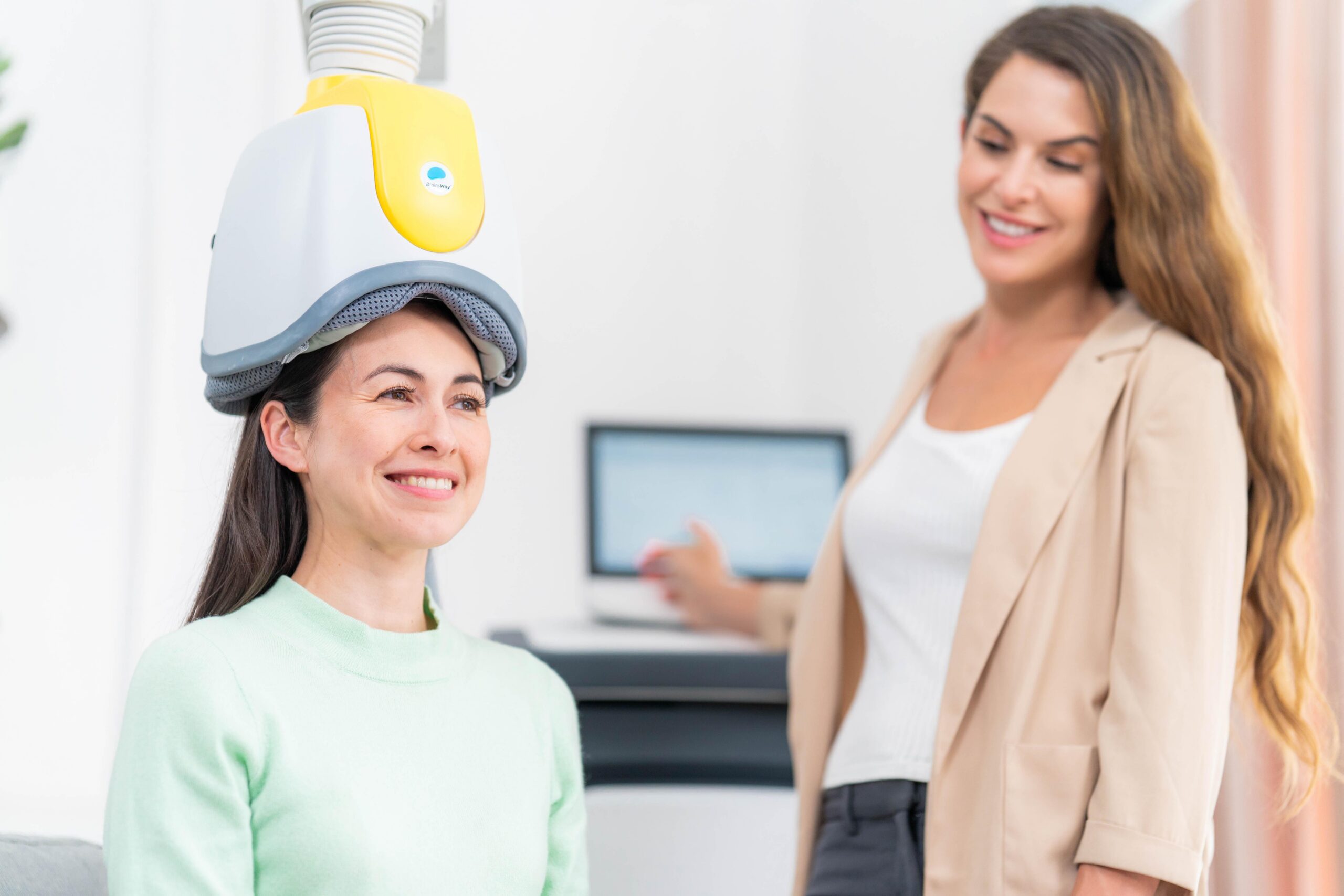
BrainsWay’s H-coil technology reaches deeper and broader brain regions than standard TMS, helping target the neural circuits involved in depression. Treatments are typically brief—often around 20 minutes—delivered five days per week over six weeks, followed by a taper as appropriate.
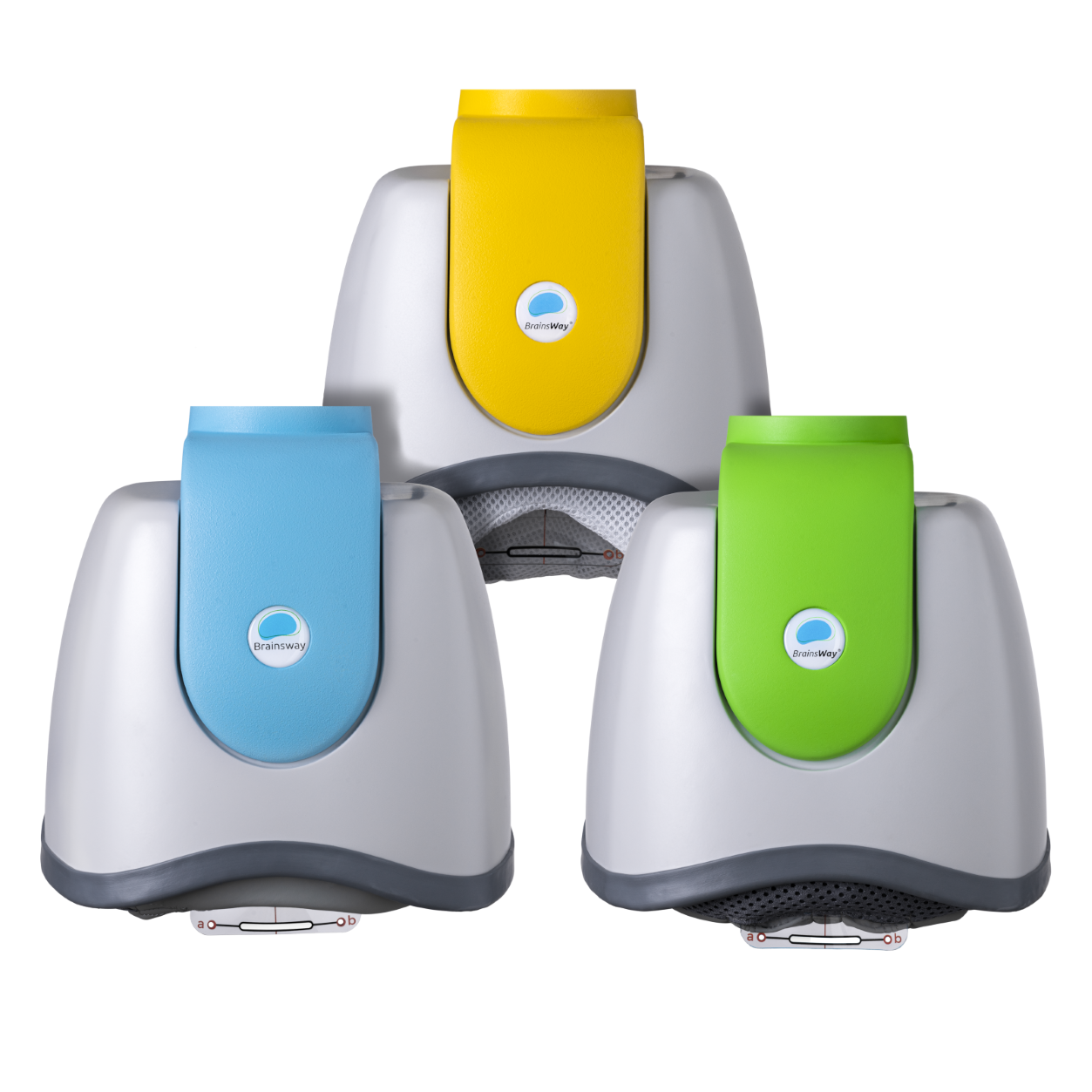
Transcranial Magnetic Stimulation (TMS) is a non-invasive treatment that uses gentle electromagnetic pulses to activate areas of the brain involved in mood regulation, which are often underactive in depression. BrainsWay Deep TMS uses a patented H-Coil technology built into a cushioned helmet to reach deeper and more widespread brain regions than traditional TMS systems.
During treatment, you simply sit comfortably in a chair while remaining fully awake and alert. There is no anesthesia, no sedation, and no recovery time—most patients are able to return to their normal activities right after each session.
Backed by more than 60 clinical studies, BrainsWay Deep TMS has demonstrated strong real-world outcomes. In data from over 1,000 patients, approximately 75% experienced a significant reduction in symptoms, with about half achieving full remission.
How Does BrainsWay Deep Compare to Traditional TMS?
BrainsWay Deep TMS differs from traditional TMS in both depth and coverage of brain stimulation. Conventional TMS systems use a figure-8 coil that targets a smaller, more superficial area of the brain. In contrast, BrainsWay Deep TMS utilizes patented H-Coil technology designed to reach deeper and more extensive neural networks, allowing for broader stimulation.
Its cushioned helmet design also helps ensure consistent positioning across each treatment session, supporting more reliable delivery of therapy. In addition, BrainsWay Deep TMS is FDA-cleared for more conditions than any other TMS system currently available.
You can sit comfortably, wear hearing protection, and return to normal activities after each session. Our team personalizes your care plan and checks in regularly to track progress.
Who May Benefit from BrainsWay Deep TMS?
When to Consider Deep TMS For Depression
Deep TMS may be appropriate if you:
- Live with Major Depressive Disorder and continue to experience depression symptoms despite trying psychotherapy and/or antidepressants.
- Prefer a noninvasive option that does not require anesthesia or recovery time.
- Have had medication side effects or interactions that limit your options.
- Want a treatment that can work alongside ongoing therapy and medication management. We will collaborate with your current providers whenever possible.

Meet Dr. Buinewicz
Trained in the combined use of psychotherapy and medication, he offers evidence based treatment for a variety of psychiatric disorders. He has specific expertise in mood and bipolar disorders, ADHD, anxiety disorders, OCD, and PTSD. He also offers care for common sources of stress including life transitions, decreased productivity at work, relationship issues, and grief.
Dr. Buinewicz believes all treatment should begin with a patient-centered comprehensive and holistic evaluation. Patients are involved in creating a treatment plan that may include medications, therapy, or a combination of both. He believes that therapy is often a critical component of care as evidence shows that it provides benefit over medication alone. His therapeutic approach is tailored to the individual patient and contains elements of psychodynamic psychotherapy, Cognitive Behavioral Therapy (CBT), Dialectical Behavior Therapy (DBT), and Acceptance and Commitment Therapy (ACT).
What is BrainsWay Deep TMS FDA-cleared for?
BrainsWay Deep TMS is FDA-cleared for several mental health conditions, making it one of the most versatile non-invasive brain stimulation treatments available.
For major depressive disorder (MDD), it is used in adults who have not experienced adequate relief from antidepressant medications, which is the most common reason patients pursue TMS treatment.
It is also FDA-cleared for anxious depression and is currently the only TMS system specifically indicated for depression with significant anxiety symptoms.
For obsessive-compulsive disorder (OCD), BrainsWay received FDA De-Novo clearance as an add-on treatment for adults, making it the first non-invasive brain stimulation device approved for this condition.
In late-life depression, it is uniquely cleared for adults aged 68 to 86 based on clinical trial data in this age group.
BrainsWay is also FDA-cleared as a short-term aid for smoking cessation, providing a non-invasive option to support adults who are trying to quit.
In addition, the intermittent theta burst stimulation (iTBS) protocol is FDA-cleared for MDD and offers an accelerated treatment approach with shorter, more condensed sessions.
What to Expect During Deep TMS Treatment
Your First Visit for BrainsWay Deep TMS
We start with a comprehensive evaluation to confirm that BrainsWay Deep TMS is a good fit. During your first session, we map the treatment location and set your individualized stimulation intensity. You will feel tapping sensations on the scalp; many patients read, listen to music, or simply relax during treatment. We review your goals and plan your schedule together.
Comfort and Safety for TMS
Common, temporary effects can include mild scalp discomfort or headache, which often improve over the first few sessions and can usually be managed with simple measures. There is no required downtime, and most people can drive themselves to and from visits. We screen carefully for safety, review medications, and monitor response at each session so your plan remains tailored to you.
Spravato (Esketamine) Also Offered
Explore Another Evidence-Based Option for Depression
In addition to BrainsWay Deep TMS, we also offer Spravato (esketamine) for treatment-resistant depression. Spravato is an FDA-approved, in-office medication administered under observation with a structured monitoring protocol. Depending on your needs, we may recommend Spravato as an alternative pathway or as part of a broader, personalized plan alongside psychotherapy and medication management.
BrainsWay Deep TMS FAQs
How Soon Will I Feel Better? +
Is BrainsWay Deep TMS Covered by Insurance? +
We recommend contacting our office with your insurance information so our team can verify your benefits and review any potential out-of-pocket costs before your first appointment.
Are There Side Effects? +
Can I Keep Taking My Medications? +
Comprehensive Mental Health Services and Support
Attentive Care in Doylestown, PA
We combine BrainsWay Deep TMS with thoughtful, patient-centered care—clear education, compassionate support, and collaboration with your existing providers. With convenient access from Doylestown, PA, our goal is to help you move forward with a safe, effective, and sustainable plan for depression care.
Our team—including psychiatrists Dr. Jacob Buinewicz and Dr. Vihasa Govada, along with psychologist Dr. Sophie Buinewicz—provides comprehensive, evidence-based mental health care tailored to each individual. One of our key treatment options is BrainsWay Deep TMS, alongside Spravato and the GeneSight Test, as well as additional psychiatric services designed to support a wide range of needs.
We take a personalized approach, carefully reviewing your history, goals, and prior treatment experiences to determine the best path forward. Whether that includes BrainsWay Deep TMS, Spravato, medication management, psychotherapy, or a combination of treatments, we build a coordinated plan around you and provide ongoing follow-up to support meaningful progress over time.